May 4, 2026
Speed to Lead: Why the First 60 Seconds Decide the Job
In home services, the contractor who responds first usually wins — and the window is measured in seconds, not hours. Here's what the response-time data actually says, and how to win it.

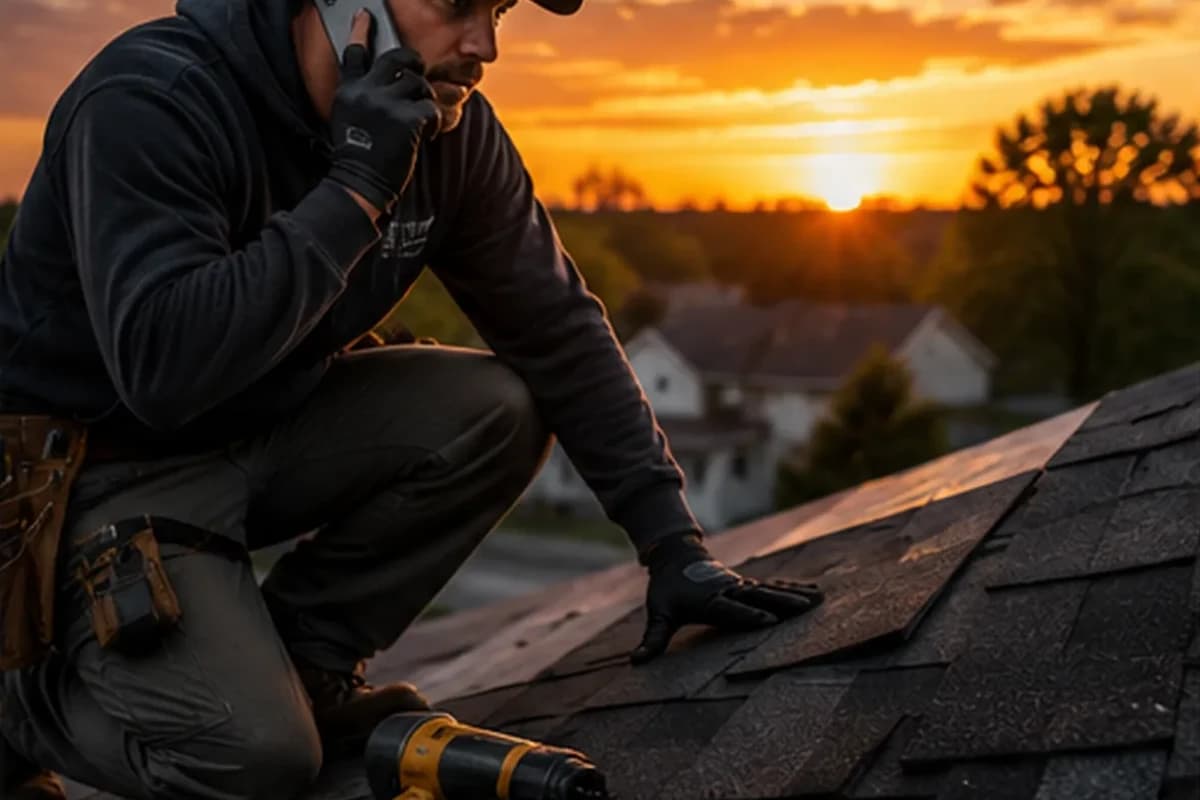
There's a quiet competition happening every time a homeowner needs work done, and most contractors don't even know they're in it. The homeowner doesn't pick the best company. They pick the first one that picks up. Everything else — reviews, price, the slick website — only matters if you got into the conversation at all.
That's what "speed to lead" means: how fast you respond after someone raises their hand. And in home services, the gap between winning and losing isn't measured in hours. It's measured in the first few minutes.
The math of the first five minutes
This isn't a hunch — it's one of the most replicated findings in sales research. The landmark study, led by Dr. James Oldroyd and published in the Harvard Business Review, analyzed thousands of companies and tens of thousands of leads. The numbers are stark:
- Respond within 5 minutes and you're 21× more likely to qualify the lead than if you wait just 30 minutes.
- You're 100× more likely to even make contact at 5 minutes versus 30 — after that, people stop answering unknown numbers and move on.
- Contact within the first hour makes you ~7× more likely to qualify a lead than waiting even a little longer.
- And yet the average business takes around 47 hours to respond — which is why the first company to respond wins roughly 78% of the deals.
Read that last pair together: most businesses take nearly two days, and the prize goes to whoever shows up first. That's not a small edge. That's the whole market sitting there for anyone fast enough to grab it.
Think about your own behavior. When your water heater fails, you don't fill out one form and wait patiently. You call three companies, and you book the first one that answers, sounds competent, and can come out. The second and third callbacks go straight to voicemail in your mind. That's not a quirk of water heaters. It's how it plays out for every HVAC, roofing, and plumbing operation in your service area — the homeowner picks the dispatcher, not the company.
Why contractors lose this race by default
The cruel part is that losing the speed race has nothing to do with effort or skill. It's structural:
- Your best people are unreachable on purpose. The techs who could speak to the job most credibly are on a roof, under a sink, or driving. They physically can't answer.
- The office is a bottleneck of one. A second call during the first call is a missed call. Lunch is a dead zone. So is every drive between jobs.
- Leads arrive at the worst times. The storm-damage call comes at 8pm. The form fill lands at 11pm. By 8am when someone finally sees it, three competitors have already called back.
None of this means you're running a bad shop. It means human response time has a floor, and that floor is far slower than the five-minute window the homeowner is actually deciding in.
"Fast" has quietly gotten faster
Here's the shift a lot of owners haven't internalized: the bar for "fast" used to be same day. Then it was within the hour. Now, increasingly, it's right now. Customers who are used to instant everything else don't extend grace to the contractor who calls back tomorrow morning. A sub-three-second response — a real, intelligent response, not an auto-text saying "we got your message" — is becoming the thing that separates the company that books the job from the company that gets ghosted.
That's a genuinely hard standard for any human-staffed phone line to hit consistently, all day, every day, including nights and weekends. Which is exactly why it's such an opening for the businesses that do solve it. The version of this problem that hurts the most is the one most owners don't even think of: the nights-and-weekends call is where the highest-intent leads live and where the speed gap is widest.
What actually closes the gap
The fix isn't "answer the phone more." You can't out-hustle physics with a bigger front desk — people still sleep, take lunch, and can only hold one conversation at a time.
What works is an AI voice agent that answers on the first ring, every single time, day or night.
The way it stays sub-three-seconds when twenty calls land at once is that no single model is doing everything — a router hands off to a qualifier, who hands off to a scheduler, who hands off to a texter, each specialized for one piece of the call. Speed is a property of the architecture, not of a bigger model.
It picks up in under three seconds, talks like a person, qualifies the job, captures the details your tech needs, books the appointment into your scheduler, and texts a confirmation — all before the homeowner has a chance to dial the next company on their list. Twenty of those conversations can happen at once during a storm surge without a single new hire.
That's the whole game. Not "AI is the future" — just the plain fact that the first competent response wins the job, and a system that always responds first will always have the advantage over one that can't.
Want to feel the difference? Get a free demo and our AI will call you and run the entire flow live — answer, qualify, book — so you can hear exactly what your next caller would.
Sources: J. Oldroyd et al., Harvard Business Review / MIT Lead Response Management Study ("The Short Life of Online Sales Leads"); InsideSales.com lead-response research. Figures are widely cited industry benchmarks, not guarantees of individual results.